Menopausal Collagen Loss: Why Skin, Joints, And Bones Modification After 40 Ubie Medical Professional's Note
Collagen's Role website In Aging & Exactly How To Improve It There are different sorts of fillers, such as hyaluronic acid (Juvéderm ® and Restylane ®), calcium hydroxylapatite (Radiesse ® )and poly-L-lactic acid (Sculptra ®) . Outcomes can last from six to 24 months, relying on the kind of filler and area injected. Bovine collagen requires a skin examination before usage to make sure you're not adverse it. To do this, your cosmetic surgeon infuses a percentage of the collagen right into your forearm. The bright side is that there are a number of aesthetic treatments that can restore or bring back collagen.
What depletes collagen the most?
Besides time, 3 main things will certainly lower your collagen levels: sunlight, cigarette smoking, and sugar. Excessive exposure to ultraviolet light makes its fibers decipher. This can cause sunlight damage, such as creases. Much of the chemicals in cigarette smoke can harm it, which can make skin droop and crease.
Why Does Collagen Loss Occur?
Movement supports joints and bones without needing high-impact exercise. Regular exercise sends out signals to your body Neck Area to keep bone and connective cells. Reduced collagen formation can add to joint pain or tightness and other mobility issues. It might additionally decrease bone density mass, making bones more prone to breaking.Nutritional Strategies
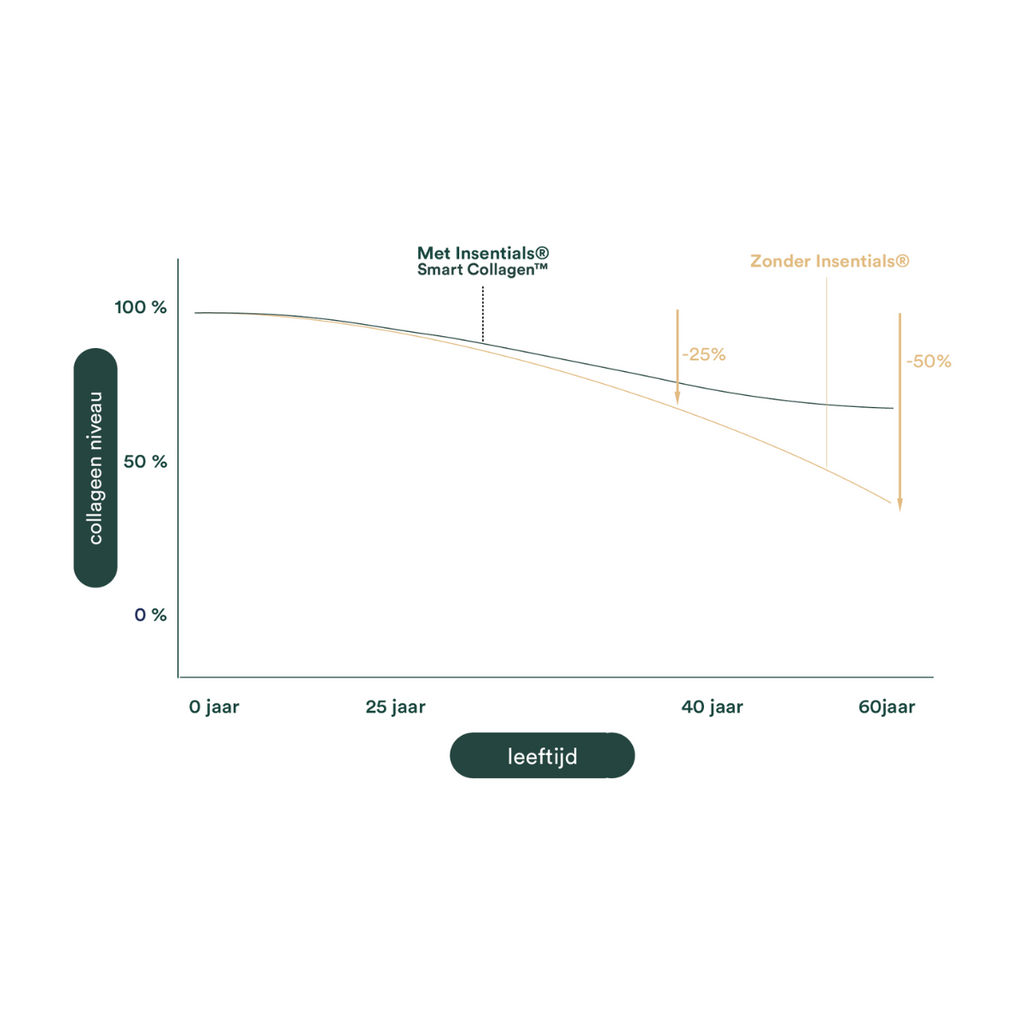
- Manufacturing starts to dwindle in our mid-to-late 20s and very early 30s and we begin shedding 1% of our collagen per year afterwards.
- Part of that process involves signaling fibroblasts to start making fresh collagen to restore and strengthen the location.
- Their searchings for suggested that topical application significantly enhances the photo-damaged skin by the end of 1 month when compared to the placebo team [30]
- As one of the most plentiful protein in the body, it keeps the skin firm, smooth, and flexible.
- This article discusses menopausal Collagen Loss in clear, sensible terms, making use of medically reliable knowledge from established endocrinology, gynecology, and bone-health research study.